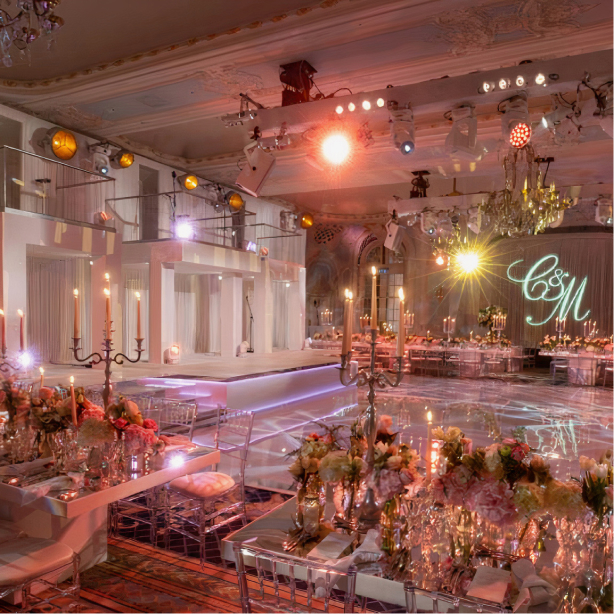
An empty ballroom can look enormous at eleven on a Tuesday morning. Add a stage, a dance floor and 140 guests waiting for dinner, and you’ll want to know how the waiters are getting through. A viewing is your chance to see how the space will work once the party starts.
What is venue sourcing?
Venue sourcing means finding and assessing spaces that could work for your event. A planner checks dates, capacity, budget and hire terms before shortlisting venues and arranging viewings.
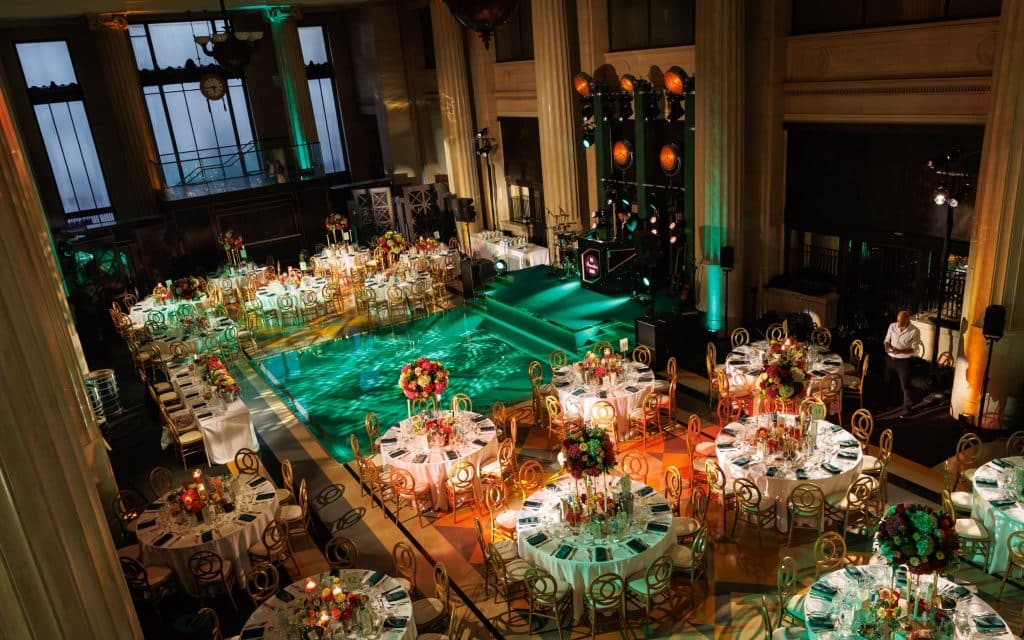
Before the viewing, decide what matters to you
Have a rough guest number and budget in mind, and think about what matters most to you for the occasion. Is the priority a beautiful setting, plenty of space for entertainment, a formal dining experience or somewhere guests can mingle and enjoy the surroundings?
Identify your non-negotiables and where you’re happy to compromise. Understanding your main priorities will help you focus on finding a venue that works for the event, rather than getting distracted by features that may not be essential.
What to look for when viewing an event venue
1. Space and layout
Get a floor plan that shows the layout for your guest numbers. A room that holds 180 standing may be a squeeze once you add tables, a stage and space for staff to serve. Walk through the room as guests would and check the view from the seats furthest from the action.
When you’re choosing a venue for your corporate gala, try getting from the back of the room to the stage. Will award winners have a clear route once guests are seated and dinner is being served?
2. Outdoor space and a plan B
If you’d like drinks on the terrace, ask to see where they’d be served if it rains. Check whether moving indoors would mean clearing and resetting a room, and allow for that in your timings. Picture the indoor space with a bar and enough seats for guests who need one.
Find out who decides whether to move indoors and how late you can leave it. Confirm which spaces the hire fee covers, including any extra charge for an outdoor ceremony or preparing both areas.
3. Transport links and parking
Check how people will get home at the time your event finishes. For a late finish, look up the last train and see whether local taxis need to be booked ahead. If you’re comparing city and countryside wedding venues, price a shuttle too.
Find out how many parking spaces guests can use and where a coach or taxi can pull up. Then walk from the drop-off point to the entrance. Steps, loose gravel and poor lighting are easier to spot in person than on a map.
4. Decibel limits and music finish times
Bring up noise limits during the viewing, as they’re often tucked away in the small print.. Find out what the limit is in decibels, where it’s measured and what happens if you go over. Some sound limiters can cut power to connected equipment, which is a rather abrupt way to end a chorus.
Check when amplified music has to finish and whether the same rules apply outdoors. Send those details to your band or DJ before you book the venue so they can tell you what will work.
5. What’s included in the hire
If the room’s set up for your viewing, check what comes with the hire. The tables and chairs might be included, while the linen and glassware you’re looking at could be upgrades. Have the team show you the standard options if the display uses different pieces.
Get quantities in writing so you can see whether there’s enough for your guest count. If the room needs to change between dinner and dancing, check who will move the furniture and where it can be stored while the party contin
6. Supplier restrictions
Is the venue’s supplier list a recommendation or a requirement? Some venues insist on their own caterer or technical team. Others allow you to bring people in if you get approval first, and they may charge a fee.
If you have a caterer, florist or band in mind, name them at the viewing. You can then check whether they’re allowed to work there, what paperwork the venue needs and whether any extra charges apply. Get the answer in writing before paying a deposit.
7. Staging, dance floors and lighting
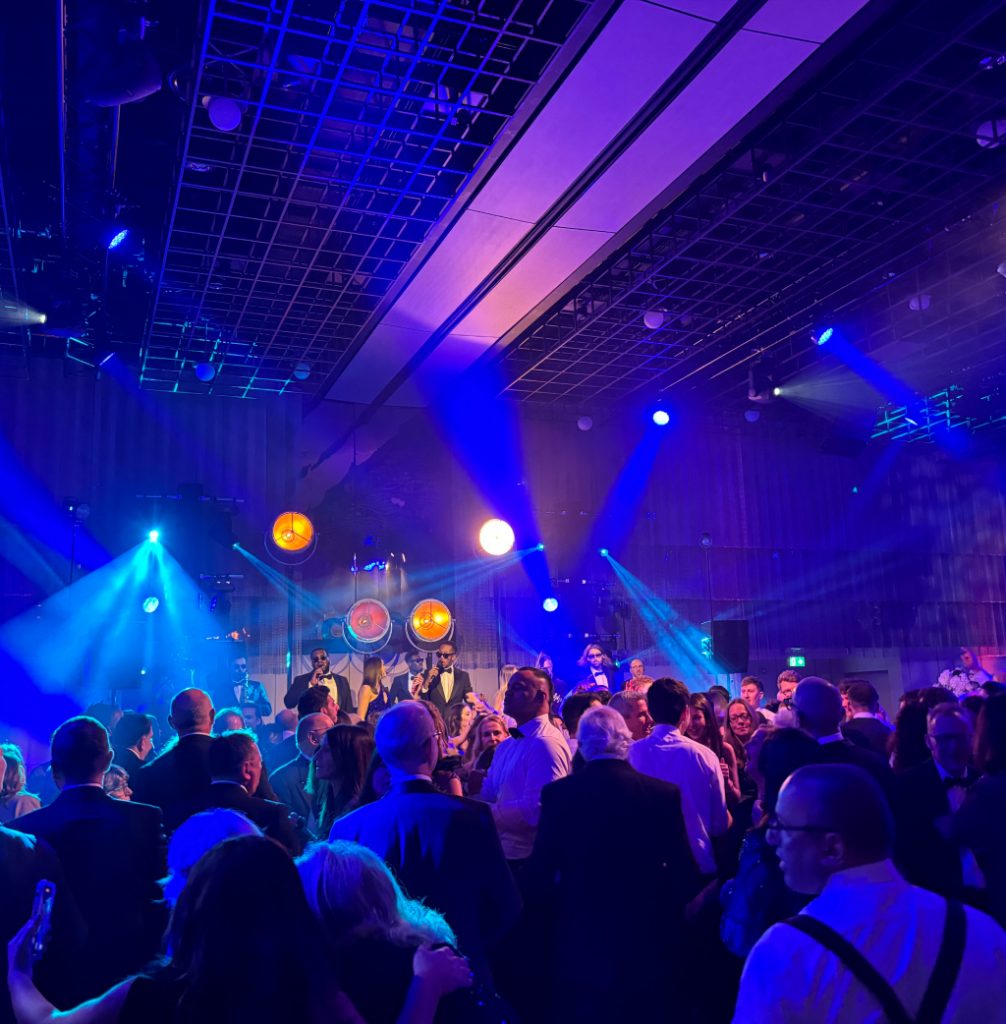
Look at the service entrance as well as the room. Stage sections and other large pieces may have to get through a narrow door or up in a service lift. Inside, check where the dance floor could go and whether it leaves enough room for guests to reach the bar.
Find out what power is available and where lighting can be hung, especially in rooms with restrictions on what can be fixed to the walls or ceiling. Our event production team can help check what’s possible before you book.
8. Dry hire
Dry hire generally means paying for the space and arranging services such as catering and staffing yourself. Ask whether it’s available on your date and exactly what comes with the room. If there’s a kitchen, check what equipment your caterer would actually be able to use.
Before comparing quotes, add the cost of anything you’d need to arrange separately, including furniture, cleaning and waste removal. Dry hire can give you more freedom to choose suppliers and set up the room the way you want.
9. Accommodation on site
If guests are staying over, find out how many bedrooms are available and whether you can hold a block at an agreed rate. Check when unbooked rooms are released and whether guests would have to book more than one night.
For a wedding, confirm when you can access the room to get ready. Booking it for the night before can help secure an early start. If only a handful of guests can stay on site, check nearby hotels and consider whether you’ll need to arrange a shuttle for the end of the evening.
10. Food tastings before booking
If the meal matters to you, see whether you can try it before paying the venue deposit. Some venues hold tastings after booking, so check when yours would take place, what you’d get to try and whether it’s included in the price.
At the tasting, ask what will be in season on your date and what the kitchen can serve guests with dietary requirements. If you’re planning speeches between courses, talk through the timings with the catering team while you’re there.
11. The toilets
Find out how many toilets your guests can use and whether they’ll share them with another event. At a conference, picture what happens when the whole room breaks for coffee at once. For an outdoor party, check how far guests would have to walk and whether you’ll need extra facilities.
Walk the route to the accessible toilet, particularly if the venue has several floors. If you’re expecting a large crowd, confirm who’ll be responsible for checking and restocking the toilets during the even

Questions to ask about hidden costs
Ask for an itemised quote and get the answers to these questions in writing.
- What time can suppliers get in, and what would it cost to get in earlier?
- When does the room need to be cleared, and is there a charge if packing up takes longer?
- What would we pay for the furniture or linen upgrades we saw on the tour?
- Are VAT and service charges included in the quote?
- Is there a minimum spend, and which purchases count towards it?
Viewing a venue for a corporate event, wedding or private party
If your corporate event has sessions running at the same time, listen for sound carrying between breakout rooms. Check that each room has the AV you need and that delegates can get between sessions using step-free routes.
At a wedding venue, find out where guests can gather before the ceremony if their rooms aren’t ready. At a private party, think about where friends can sit and catch up once the dance floor gets going.
Finding the right venue with Cosmic Violet Events
With our venue finding service, we can shortlist spaces, arrange viewings and help you compare quotes. Tell us what you’re planning and whether you’d like support beyond the search. Our Full Moon package also covers supplier bookings and delivery on the day.
Frequently asked questions
How do you find a venue for an event?
Start with a date or date range, an area, a headcount and a budget. Ask about availability and capacity for your preferred layout before arranging a visit.
What factors do you consider when choosing an event venue?
Check how much usable space your guests will have, how easily they can get around and what the venue will cost once you’ve added the extras.
How do you choose a venue for an event when two options look equally good?
Compare quotes for the same guest count, layout and hours of hire. Then think back to your priorities and choose the space that makes those plans easier to deliver.
By planning the creative and technical details together, we can create a space where the staging, lighting, sound, screens, and entertainment all feel connected, giving guests plenty to look at, listen to, and dance to. Contact us today to find out more!